
Chiropractor in Ashland, Oregon
Remove Pain, Restore Balance, Reclaim Vitality
Find the missing piece in your recovery
The Missing Piece in Your Recovery
Most treatment picks a lane: adjust the spine, strengthen the muscle, calm the nerves. Each helps—partially, temporarily—because the body does not work in lanes.
Your nervous system learned to protect you. Your movement adapted around old injuries. Your structure settled into patterns that feel “normal” but are not optimal. Address one without the others, and the pattern persists.
This is why you feel better after a session… then drift back. The system was not fully addressed.
Nervous System First
We map how your brain and body communicate—where signals get stuck, why certain movements feel guarded, what your system is trying to protect.
Mechanical Function
How do you actually move? Where is the restriction? What is compensating? We assess structure in motion.
High-Touch Bodywork
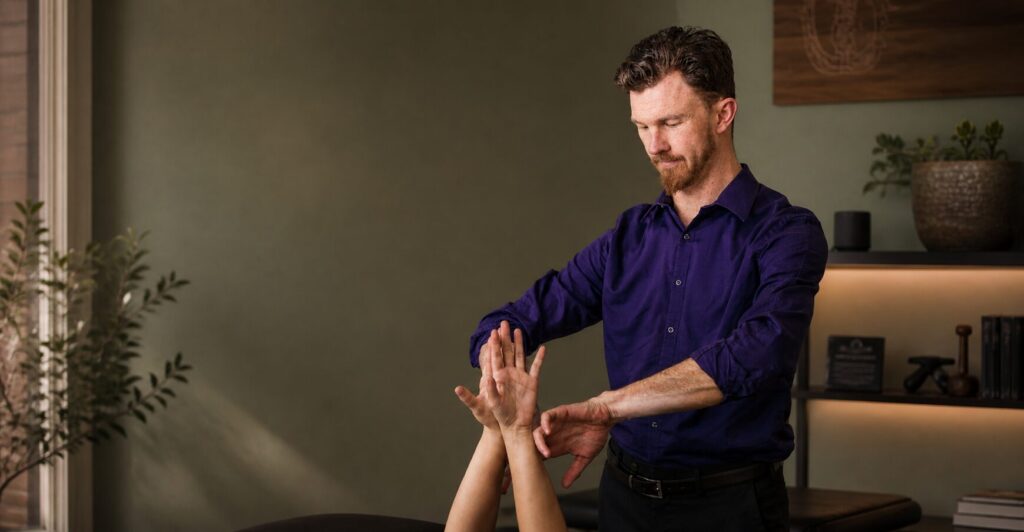
Hands that listen. Techniques drawn from chiropractic, massage therapy, and movement therapy—customized for what your tissue needs.
Four Lenses. One Clear Picture.
I integrate four perspectives most clinics keep separate: how your nervous system controls movement, how your structure functions mechanically, hands-on work that actually listens to your tissue, and technology that accelerates healing when needed—all woven into a personalized plan based on what we find.
When appropriate: shockwave for stubborn tissue, Neubie direct current for neuro re-education, targeted tools that speed what hands alone cannot.
Together, they create personalized change that lasts.

Beyond Pain Relief
Most people come in because something hurts. They stay because they remember what their body can do.
- Hike without planning around your knee
- Garden for an afternoon without paying for it tomorrow
- Keep up on the bike, on the court, on the trail—without the familiar ache setting in
- Wake up feeling like yourself, not like you are recovering from yesterday
This is not just about getting rid of pain. It is about discovering what stable, confident movement actually feels like.
The Comprehensive Assessment
Not just an adjustment. Not a generic protocol.
A personalized, deep dive: nervous system mapping, movement screening, hands-on evaluation, and a clear picture of what is driving your limitation—plus a customized plan that integrates all four approaches based on what we actually find.
Every body is different. Every plan should be too.
Curious About This Approach?
I write about the integration of neuroscience, movement, and recovery—practical insights for people who want to understand their bodies better, not just be fixed.
Join the newsletter. No spam. Unsubscribe anytime.
Why I Work This Way
20 years across multiple disciplines: chiropractic, functional neurology, Ayurvedic medicine, herbalism, massage therapy, yoga therapy.
Not to list credentials. To have options when one approach is not enough.
Your solution should not be limited by my training.
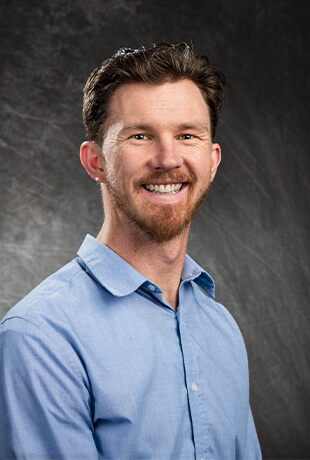
— Dr. Noah Volz, DC
Books

Latest Articles
- How to Treat Chronic Back Pain (Even If It’s Been Years)
 Michael was no stranger to back pain. It started in college after a weekend of surfing. A few days later, it faded. No big deal. But then it… Read more: How to Treat Chronic Back Pain (Even If It’s Been Years)
 - The Hidden Reason Your Pain Gets Worse on Mondays—And It Has Nothing to Do With Your Spine

There is more to back pain that just damage. Learn how sleep and other areas of your life contribute to your pain.
- Why Your Brain Filters Out 99.6% of What It Sees (And How That’s Causing Your Chronic Pain)

By understanding your brain and how it works you can often understand chronic pain better and find solutions.