Non-Surgical Knee Replacement
A structured, evidence-informed protocol to address knee degeneration and restore function — before surgery becomes the only answer.
When the knee stops cooperating with your life
Chronic knee pain, swelling, and instability are not just structural problems. They are mechanical problems — with a biomechanical and neurological component that conservative care can often address directly.
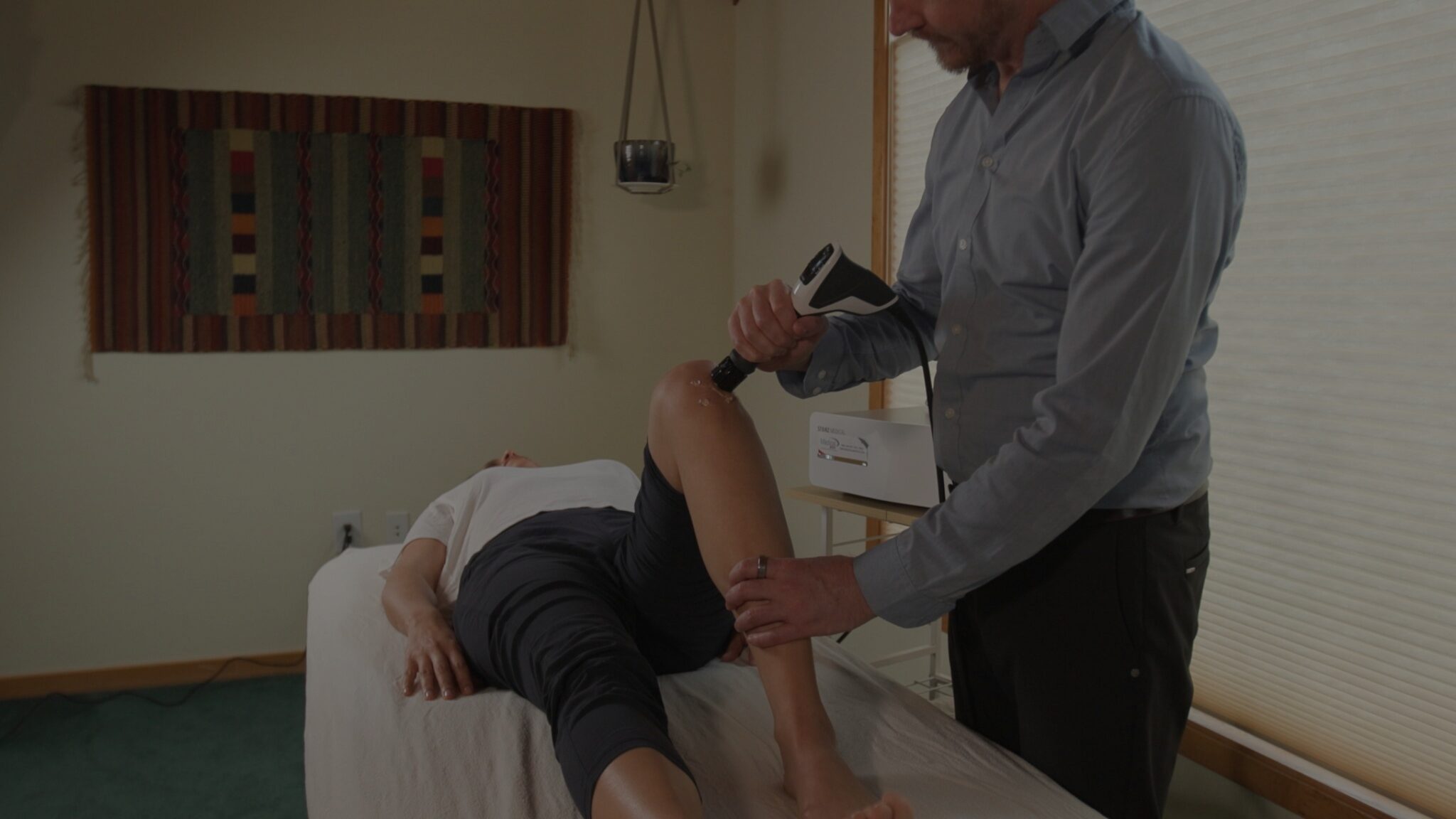
The Non-Surgical Knee Replacement protocol is an 8-week program that combines joint mobilization, shockwave therapy, neuromuscular rehabilitation, and targeted soft-tissue care to rebuild strength, restore function, and reduce pain.
Who this approach fits best
Knee osteoarthritis (mild to moderate)
When degeneration is present but the joint can still bear weight, there is usually a viable conservative path before surgery is truly necessary.
Meniscus issues, instability, or patellar tracking
These are movement and stability problems as much as structural ones — and they respond well to the right combination of manual therapy, rehab, and tissue-level intervention.
Anyone exploring options before surgery
If you can still bear weight on the leg, even with pain, a thorough assessment often reveals more treatment options than a brief orthopedic consult suggests.
What the protocol includes
Joint mobilization and alignment
Precise adjustments to restore proper knee tracking and patellar positioning, reducing abnormal wear patterns and improving overall joint mechanics.
Shockwave therapy (ESWT)
Regenerative shockwave accelerates tissue repair, reduces chronic inflammation, stimulates blood flow to degenerated areas, and has outperformed injections for tendinopathy and early arthritis.
Neuromuscular re-education and rehab
Progressive exercises to rebuild quadriceps and hamstring coordination, restore proprioception and joint stability, and correct movement patterns that stress the knee over time.
What patients typically experience after treatment
- Greater ease with stairs, squatting, and daily movement
- Reduced swelling and morning stiffness
- Postponed or canceled surgical procedures
- Return to walking, hiking, and recreational activity
Start with a comprehensive knee assessment
We will evaluate movement, orthopedic and ligament testing, muscle strength, and any available imaging — and walk you through what is actually driving your symptoms before you make any decisions.